Key figures in artificial intelligence history

The Most Important People in AI

Featuring six pioneers who shaped modern artificial intelligence

Artificial intelligence has advanced through decades of mathematical theory, computational breakthroughs, philosophical debates, and bold experimental leaps. This is a curated interpretation of the individuals whose ideas had the deepest and most lasting influence on the development of AI — from the foundational mathematical underpinnings to the modern deep learning revolution.

The story did not begin with Turing. Long before modern computers existed, mathematicians and logicians laid the groundwork that made artificial intelligence conceivable. Gottfried Wilhelm Leibniz (1646–1716) dreamed of a universal calculus of reasoning. George Boole (1815–1864) formalized logic into algebra, giving us Boolean algebra — the mathematical language of every digital computer. Ada Lovelace (1815–1852) wrote what many consider the first computer algorithm, and speculated about whether machines could ever think creatively.

The field we now call AI coalesced in the twentieth century from several converging disciplines: mathematical logic, probability theory, neuroscience, and electrical engineering. The six figures highlighted here represent different eras and dimensions of that convergence — and together they trace a continuous thread from asking "can machines think?" to building systems that do.

1912–1954

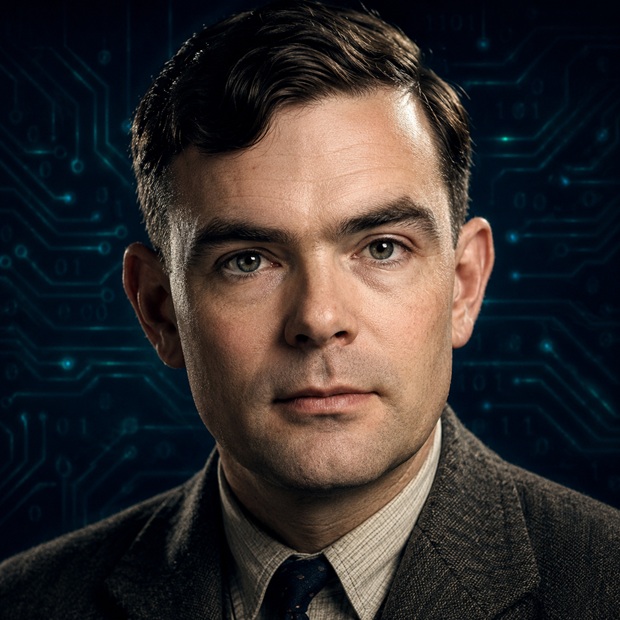
Alan Turing

Father of Modern Computing & AI

Alan Turing laid the theoretical foundations for computing and artificial intelligence. His concept of the universal machine, his work breaking the Enigma cipher, and his seminal question 'Can machines think?' established the intellectual bedrock on which all of modern AI is built.

Learn more
1927–2016

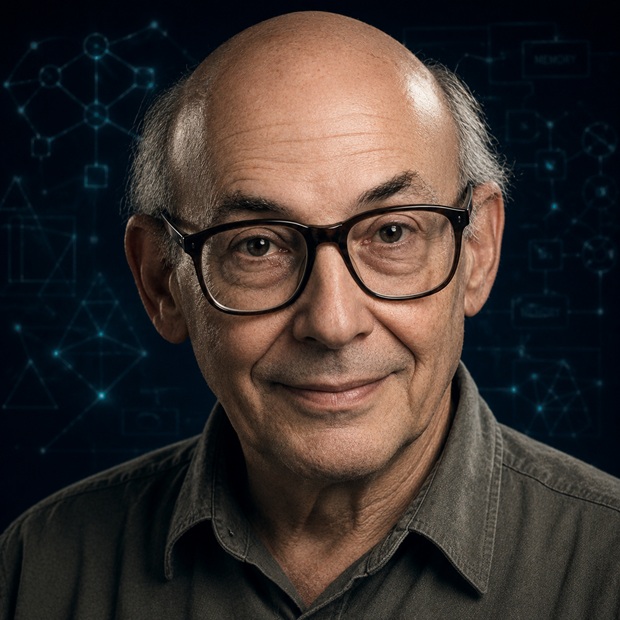
Marvin Minsky

Pioneer of Artificial Intelligence

Marvin Minsky co-founded the MIT Artificial Intelligence Laboratory and shaped the field's early intellectual agenda. His theories about minds as societies of simpler processes and his work on neural networks and symbolic AI remain foundational to how researchers think about intelligence.

Learn more
1927–2011

John McCarthy

Inventor of the Term "Artificial Intelligence"

John McCarthy coined the term 'artificial intelligence,' organized the 1956 Dartmouth Conference that launched the field, and invented the LISP programming language. His vision of machines that could reason, plan, and act intelligently defined AI's goals for generations.

Learn more
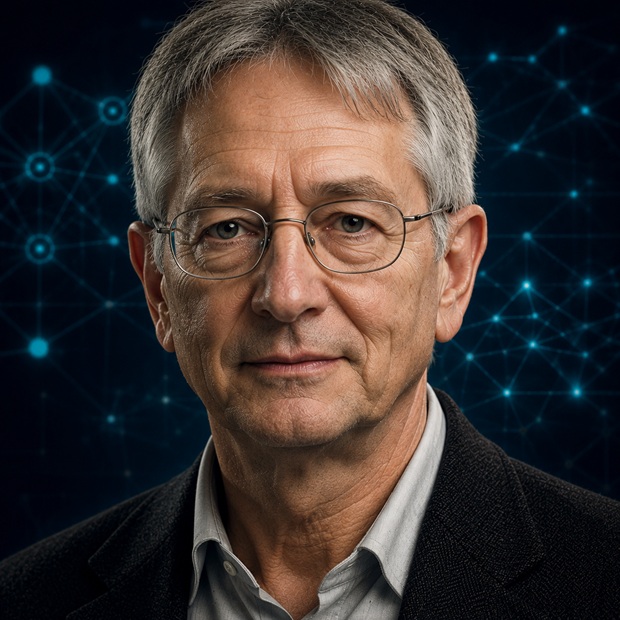
1947–

Geoffrey Hinton

Godfather of Deep Learning

Geoffrey Hinton spent decades championing neural networks when they were unfashionable and developed the backpropagation algorithm that made training deep networks practical. His work on deep learning directly enabled the AI revolution of the 2010s and the large language models of today.

Learn more
1960–

Yann LeCun

Pioneer of Deep Learning & Convolutional Networks

Yann LeCun invented convolutional neural networks and demonstrated that deep learning could solve real-world problems like handwriting recognition long before deep learning became fashionable. His work underpins virtually every computer vision system in use today.

Learn more
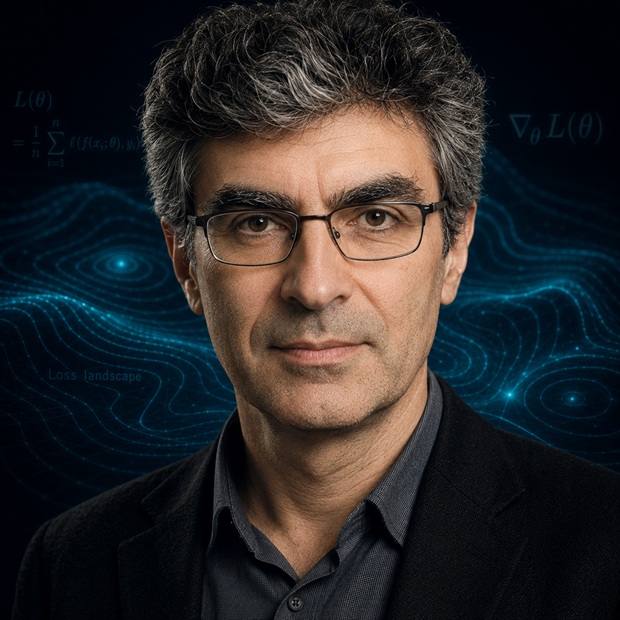
1964–

Yoshua Bengio

Pioneer of Deep Learning & Neural Language Models

Yoshua Bengio made foundational contributions to deep learning, including early neural language models that anticipated today's LLMs, and work on attention mechanisms that led directly to the transformer. He is also one of the most vocal researchers on AI safety.

Learn more
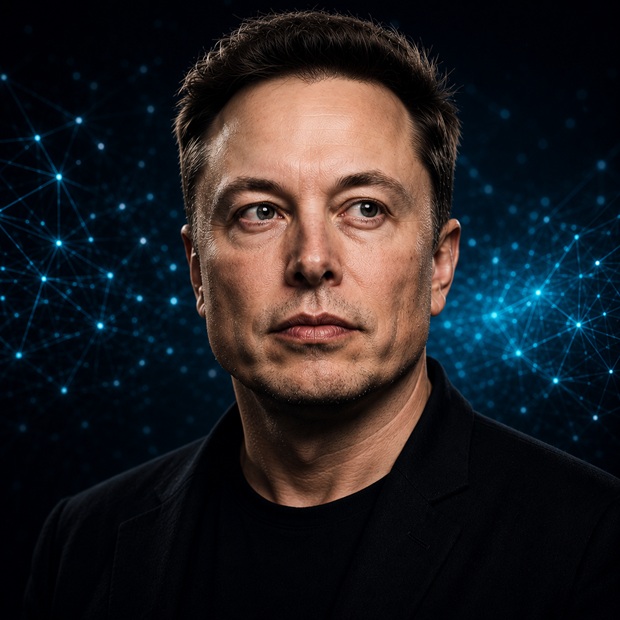
1971–

Elon Musk

Co-founder of OpenAI & Founder of xAI

Elon Musk co-founded OpenAI, built one of the most ambitious real-world AI deployments at Tesla through Autopilot and Full Self-Driving, and founded xAI to develop Grok. He has been one of the most prominent and polarizing voices in debates about the existential risks of artificial intelligence.

Learn more
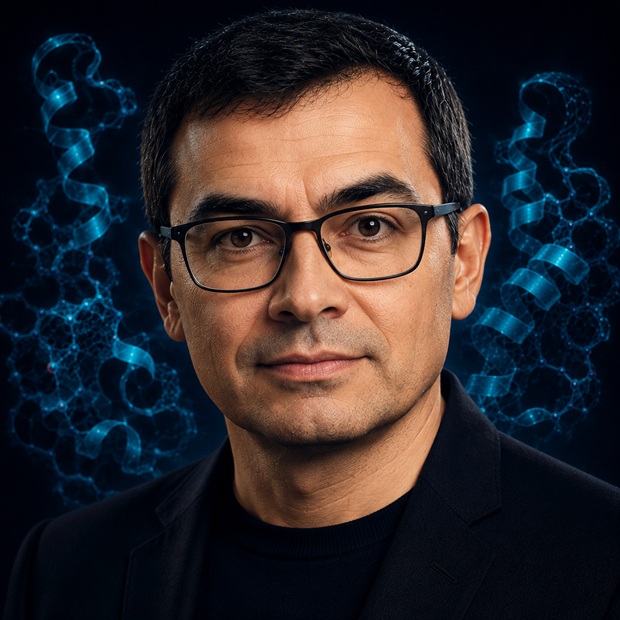
1976–

Demis Hassabis

Founder of DeepMind

Demis Hassabis founded DeepMind, led the team that built AlphaGo and AlphaFold, and has driven some of the most significant achievements in applied AI in history. His vision of AI as a tool for accelerating scientific discovery has reshaped what people believe AI can accomplish.

Learn more
1976–

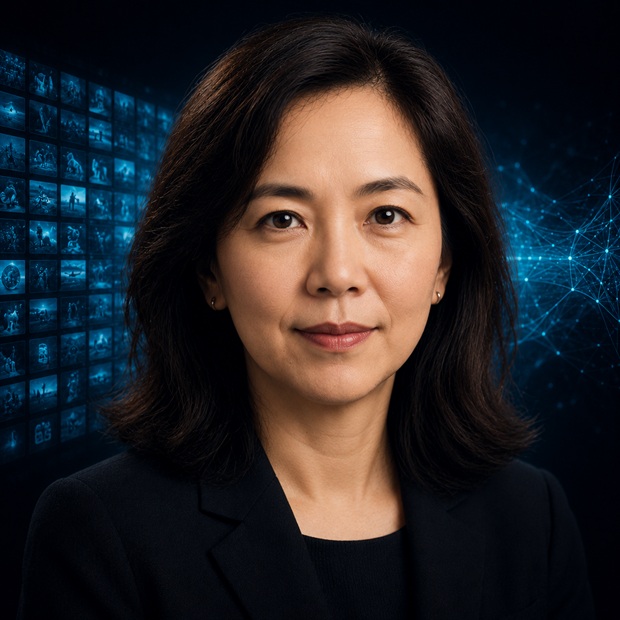
Fei-Fei Li

Pioneer of Computer Vision & AI for Social Good

Fei-Fei Li created ImageNet — the dataset that catalyzed the deep learning revolution — and has been one of the most influential voices in AI research, policy, and ethics. Her advocacy for human-centered AI has shaped how the field thinks about its responsibilities.

Learn more
1985–

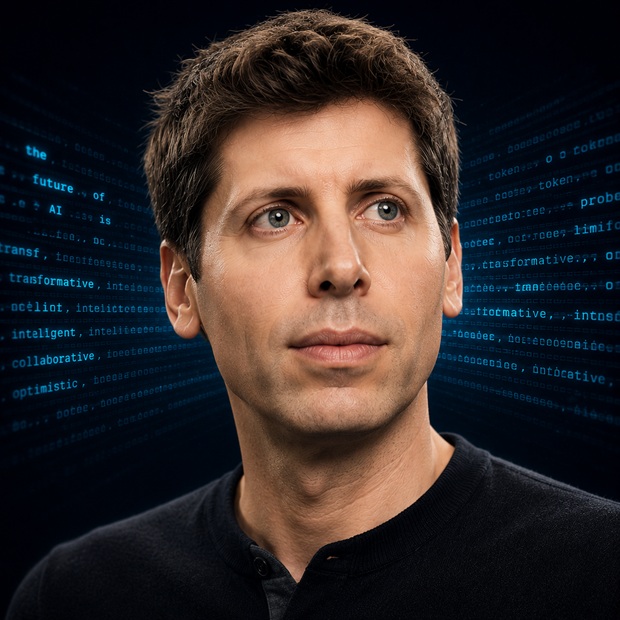
Sam Altman

CEO of OpenAI

Sam Altman leads OpenAI, the organization that created ChatGPT and the GPT series of language models. Under his leadership, OpenAI has become the most influential AI company in the world and brought large language models into mainstream public consciousness.

Learn more
1986–

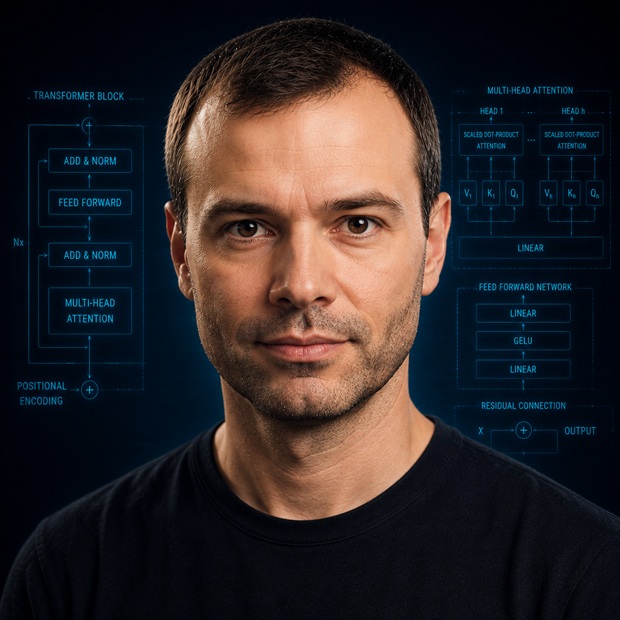
Andrej Karpathy

AI Researcher & Educator

Andrej Karpathy has been at the center of some of the most important AI work of the past decade — from leading Tesla's Autopilot AI to foundational research at OpenAI — and has become the most effective AI educator of his generation through his accessible teaching of deep learning fundamentals.

Learn more

The next generation of AI researchers

The figures featured here each made foundational contributions, but AI research continues at a remarkable pace. The 2010s and 2020s brought a wave of breakthroughs — transformer architectures, large language models, diffusion models, and reinforcement learning from human feedback — from researchers including Ilya Sutskever, Alec Radford, Sam Altman, and many others working at labs like OpenAI, Google DeepMind, Anthropic, and Meta AI.

The question of what AI can and cannot do — and what it should and should not do — is being debated right now by researchers in AI safety, alignment, and interpretability. Figures like Stuart Russell, Paul Christiano, and Yoshua Bengio (a collaborator of LeCun and Hinton in the early deep learning era) are grappling with questions that sit at the intersection of technical AI research and the long-term future of humanity. The story of AI is very much still being written.

Abstract AI visualization

Explore the AI they helped build

Every person on this list helped shape the field behind the courses on Guided Agentic AI. From foundational theory to the models powering today's agents, their ideas are at the heart of the curriculum. Choose a course and start learning with an AI guide.